
Manage Your Bankroll Before You Bet On Aviator
A staking plan matters more in Aviator than any cash-out theory. Here is how to size bets so a normal losing streak does not end a session early.
Join Now
Table of Contents
Three Ideas Behind Every Staking Plan
None of these guarantee a win; they only decide how long a bankroll survives a bad run.
Fixed Stake Sizing
Betting the same small amount every round, regardless of the last result, keeps a losing streak from snowballing.
1-2% of bankroll per round
A Session Stop-Loss
Deciding on a maximum loss before starting stops a bad run from turning into a much bigger one.
Set a hard limit before you start
Separate Win Target
Locking in profit at a set target keeps a strong session from being given back to the next round.
Cash out and stop at your target
Building A Staking Plan In Four Steps
Set this up once, before the first bet of a session.
Set Your Session Budget
Decide the total amount you are willing to risk this session, separate from any other spending.
Pick A Flat Stake
Choose one small stake size, often 1-2% of the session budget, and keep it fixed round after round.
Define A Cash-Out Rule
Fix a target multiplier in advance so the cash-out decision is made before the round starts, not during it.
Track Every Session
Log wins, losses, and how long the bankroll lasted, then adjust the stake size before the next session.
How Readers Manage Their Bankroll
 Learn more about staking Aviator responsibly.
Switching to a flat 1% stake instead of doubling after losses is the single change that made my sessions last longer.
Rachel A.
Uses flat staking
Setting a stop-loss before I start playing stopped one bad round from turning into an entire bad night.
Steven G.
Sets a hard stop-loss
Logging every session in a notebook showed me my bankroll was surviving twice as long once I stopped chasing losses.
Laura H.
Keeps a session log
A fixed win target meant I actually kept a good session's profit instead of giving it back on the next round.
Nicole J.
Locks in a win target
Why A Staking Plan Beats A Betting System
Aviator's crash point is random each round, so the plan focuses on money management instead.
Predictable Pace
A flat stake means every round costs the same, so a session's pace is easy to track from the first bet.
Layered Limits
A stop-loss and a win target together cap both how much can be lost and how much gets risked again.
No Recovery Chasing
Sticking to the plan after a loss avoids the common mistake of increasing a stake to win back money fast.
Five Habits Worth Copying

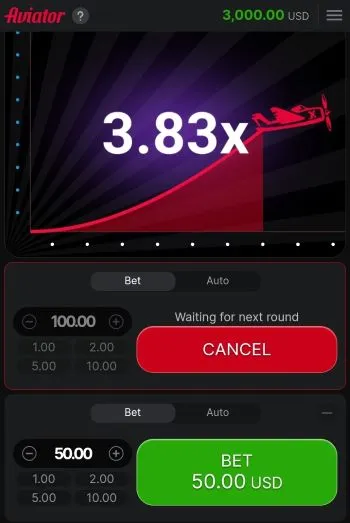



Work Out Your Session Budget
Write down a total session budget before opening Aviator, and treat it as the full amount you are willing to risk.
A typical flat stake is 1-2% of this number per round.
Putting A Plan Together, Stage By Stage
Each stage builds on the last; skipping one usually undoes the benefit of the others.
Set The Budget
Decide the total amount for the session before opening the game, kept separate from other money.
Choose A Flat Stake
Pick one stake size, typically 1-2% of the budget, and keep it the same across every round.
Fix A Cash-Out Target
Decide the multiplier to cash out at ahead of time, and apply it the same way every round.
Review After Each Session
Compare the result against the starting budget and adjust the stake size for the next session if needed.
FAQ
What percentage of a bankroll should one round risk?
+
Does the martingale system work in Aviator?
+
Should a stop-loss be strict?
+
Is a fixed cash-out target better than reacting live?
+